Dogs are known for their loyalty, playfulness, and love for the outdoors. However, as winter sets in and temperatures drop, the cold can become a serious concern for our canine companions. Just like humans, dogs can suffer from the dangers of extreme cold, and understanding how freezing temperatures affect them, as well as how to keep them safe, is essential for every pet owner. This article explores the risks freezing temperatures pose to dogs, how to recognize signs of cold-related distress, and the best ways to protect them in frigid weather.
When the temperature drops below freezing (32°F/0°C), it can lead to several cold-related issues for dogs. The severity of the impact largely depends on a dog's breed, size, age, health, and coat type. While some dogs are naturally more suited to cold weather, others are highly susceptible to the dangers of freezing temperatures.
1 Hypothermia: Hypothermia occurs when a dog's body temperature falls below normal, typically below 99°F (37.2°C). In freezing temperatures, especially with prolonged exposure, a dog's body struggles to maintain heat, and hypothermia can set in quickly. Symptoms of hypothermia in dogs include shivering, lethargy, weakness, confusion, and, in severe cases, loss of consciousness. If hypothermia is left untreated, it can be fatal.
Hypothermia is more common in smaller breeds, elderly dogs, and dogs with short or thin coats. However, even larger, thicker-coated dogs can develop hypothermia if they are exposed to extreme cold for too long, especially in wet conditions.
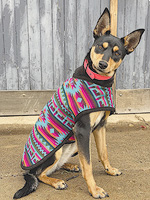 2 Frostbite: Frostbite occurs when a dog’s skin and underlying tissues freeze due to exposure to extremely cold conditions. It most commonly affects extremities like the ears, paws, tail, and nose. These areas of the body are more vulnerable to freezing because they are further from the heart and have less blood flow. 2 Frostbite: Frostbite occurs when a dog’s skin and underlying tissues freeze due to exposure to extremely cold conditions. It most commonly affects extremities like the ears, paws, tail, and nose. These areas of the body are more vulnerable to freezing because they are further from the heart and have less blood flow.
Signs of frostbite include pale or grayish skin, swelling, blisters, and a feeling of hardness in the affected area. If not addressed, frostbite can cause permanent damage, leading to tissue death, and in severe cases, it may require amputation of the affected body part. Dogs with short hair, thin skin, or compromised circulation are more at risk of frostbite.
3 Joint and Muscle Problems: Cold weather can also exacerbate joint and muscle issues in dogs, particularly in older dogs or those with conditions like arthritis. The cold can cause muscles to stiffen and joints to become sore, making it painful for dogs to walk or move. In some cases, the cold can even lead to injury if a dog slips or strains itself while trying to navigate icy or snow-covered terrain.
4 Increased Risk for Puppies and Senior Dogs: Puppies and senior dogs are particularly vulnerable to the dangers of cold weather. Puppies have less body fat, which makes it harder for them to regulate their body temperature. They may not be able to withstand the cold for long periods and may need extra protection, such as coats or sweaters, to stay warm.
Senior dogs often have decreased circulation and reduced body fat, making them more susceptible to hypothermia and frostbite. They may also be less able to move around and seek shelter in freezing weather, putting them at a higher risk of prolonged exposure to the cold.
How to Tell If Your Dog is Too Cold
It’s essential for dog owners to be able to recognize the signs that their dog may be too cold. Unlike humans, dogs may not always vocalize their discomfort, so it’s important to observe their behavior closely. Signs that a dog is cold include:
Shivering or shaking: Just like humans, dogs may shiver when they are cold. This is the body’s attempt to generate heat through muscle movement.

Lifting paws off the ground or reluctant to walk: If your dog is constantly picking up their paws or seems hesitant to walk, it may be a sign that the ground is too cold or uncomfortable for them.
Whining or barking: Dogs may vocalize when they are in distress from the cold. If your dog is unusually vocal while outside, it could be a sign that they are uncomfortable or in pain.
Seeking shelter or huddling: If your dog is trying to find shelter, it may be a sign that they are trying to escape the cold. Likewise, if they are huddling or curling up tightly, it may be a sign they are trying to conserve body heat.
Stiffness or slow movement: Cold muscles and joints can cause stiffness. If your dog is moving more slowly than usual or seems stiff, it’s likely due to the cold affecting their body.
If you notice any of these signs, it’s crucial to bring your dog inside to warm up immediately. Prolonged exposure to cold can lead to more severe health issues, so acting quickly is key.
Protecting Your Dog in Freezing Weather
As a responsible pet owner, there are several steps you can take to ensure your dog stays safe and comfortable in freezing temperatures.
1 Limit Outdoor Time: In freezing weather, it's important to limit the amount of time your dog spends outside. While most dogs enjoy walks and playtime in the snow, they should only be allowed to stay outside for short periods. If the temperature drops below 32°F (0°C), or if wind chills are particularly severe, limit outdoor exposure to no more than 10 to 15 minutes at a time.
2 Dress Your Dog for the Cold: Some dogs benefit from extra warmth in freezing temperatures. Small, short-haired, or thin-coated dogs may require coats, sweaters, or booties to help keep them warm. Be sure to choose clothing that fits properly, as poorly fitting clothing can make your dog uncomfortable or restrict movement. If your dog doesn’t tolerate clothing, you can still help them stay warm by limiting their outdoor time and keeping them inside as much as possible.
3 Provide Warm Shelter: If your dog must be outside for any period, ensure they have access to a warm and dry shelter. A doghouse or other form of outdoor shelter should be insulated, elevated off the ground, and protected from wind and snow. The shelter should also be large enough for your dog to stand up, turn around, and lie down comfortably but not too large, as this would allow the heat to dissipate.
4 Check Paws Regularly: Your dog’s paws are particularly vulnerable in freezing temperatures. Snow, ice, and salt can accumulate between their paw pads, causing discomfort or even injury. After walks or outdoor play, check your dog’s paws for signs of ice build-up, cracked pads, or frostbite. If necessary, clean their paws with a warm towel and apply a paw balm or wax to protect their pads from the cold and harsh elements.
5 Provide Extra Food and Hydration: Cold weather can increase your dog’s caloric needs, particularly if they are spending more time outside. Be sure to provide your dog with enough food to maintain their energy levels, and ensure they always have access to fresh water. Avoid giving your dog water that’s frozen or too cold, as it may be difficult for them to drink.
6 Watch for Signs of Cold Stress: As mentioned earlier, dogs show signs of cold stress in different ways. Always monitor your dog closely when they are outside in freezing temperatures. If you notice any symptoms of hypothermia, frostbite, or discomfort, bring your dog inside immediately and warm them up slowly.
|