|
Whether you’re walking in town, venturing into nearby BLM lands, or exploring off-the-beaten-path trails, here’s everything you need to know about enjoying Moab safely with your dog .
Know the Desert Risks Around Moab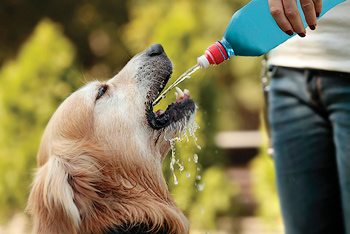
Moab is part of the high desert, meaning it’s not just hot—it’s dry and often unpredictable. Here’s what makes it tricky for pups:
• Extreme temperatures: Summer days easily soar past 100°F (38°C), while nights can drop below freezing in early spring or late fall.
• No natural water: Streams and creeks are rare and often seasonal. Your dog won’t find puddles or shade without your help.
• Rough terrain: Red rock is beautiful but tough on paws. Slickrock surfaces can get scorching by midday.
• Wildlife encounters: Think rattlesnakes, scorpions, and coyotes—not to mention biting gnats and thorny plants.
Time Your Adventures Wisely
In Moab, early morning is golden hour —not just for lighting but for safety. Aim to start hikes at sunrise or within a few hours of it. By 10 a.m., many trails are already too hot.
Avoid mid-day outings in the summer months (June through early September), and opt for shaded river walks or short drives to higher elevations in the La Sal Mountains instead.
Pack Smart: Desert Dog Essentials
You don’t need a lot of gear—but what you bring matters. Here’s what every dog owner should carry when hiking or camping near Moab:
• Water, water, water: At least 1 liter per hour for your dog. Don’t rely on streams—they’re often dry.
• Collapsible bowl: Lightweight and easy to stash.
• Booties or paw wax: Red rock gets hot —test the trail with your palm before letting your dog walk.
• Leash and harness: Even on BLM land, leash control is crucial due to cliffs, wildlife, and sharp plants.
• Dog-safe sunscreen: If your dog has a pink nose or light fur, they’re susceptible to sunburn.
• First aid kit: Include tweezers (for cactus spines), antiseptic, and basic bandages.
• Bonus tip: Use a cooling vest or damp bandana in your pack to keep your dog’s core temperature down.
Watch for Signs of Heat Stress
Heat-related illness is one of the most common risks for dogs in Moab, especially in summer.
Be alert for these signs:
• Rapid panting or drooling
• Wobbliness or collapsing
• Dry nose or gums
• Red or pale gums
• Vomiting or diarrhea
If your dog shows any of these, get them to shade immediately, offer cool water, and wet their belly and paws. Seek veterinary care if symptoms persist—there are local vet clinics Millcreek Animal Hospital in town and Moab Veterinary Clinic in Spanish Valley just south of Moab.
Wildlife Awareness is Key
It’s not just the heat— wildlife safety is just as important. Keep your dog close and on-leash, especially in rocky or shrubby areas where rattlesnakes like to hang out. If you’re planning frequent Moab trips, consider rattlesnake aversion training for your dog.
Scorpions and cactus spines can also cause injury. Always check paws after a hike, and avoid letting your dog dig around boulders or crevices.
Coyotes are common in the Moab area, especially at dawn or dusk. Keep small dogs close—don’t let them wander off or roam off-leash.
Stick to Dog-Friendly Trails
While national parks like Arches and Canyonlands have strict dog policies (dogs are only allowed in parking areas and campgrounds), there are plenty of nearby public lands where dogs are welcome on the trails.
Know Your Dog’s Limits
Not all dogs are natural-born hikers. Some might struggle with the heat, rocky footing, or long distances. Watch your dog closely and don’t push too far—especially on your first few desert hikes together. If your dog is a flat-nosed breed (like a pug or bulldog), elderly, or has health conditions, they’re at higher risk in high heat. Opt for cooler, shaded outings or explore Moab during spring and fall when temperatures are more forgiving.
Stay Safe out there so you can take some Epic photos and enjoy the beautiful red wilderness Moab offers. Always be respectful— pick up after your dog and pack it out.
|